
You don't need a classroom.
You've already started.
You taught your child to talk, to walk, to pray. Homeschooling the early years is simply the next step — and there's nothing to buy to begin.
Free to download. Yours to keep. Plus, receive encouragement, homeschool resources, and biblical discipleship content from Generations.
The things parents worry about first
Most of what holds families back isn't true. Here's the short version.
- You're qualified. If you taught your child to speak, you can teach the early years.
- It's legal everywhere. Homeschooling is legal in all 50 states.
- Kids don't have to read by 5. Many capable readers start later — and thrive.
- Preschool isn't required. A rich home does more than a desk ever could.
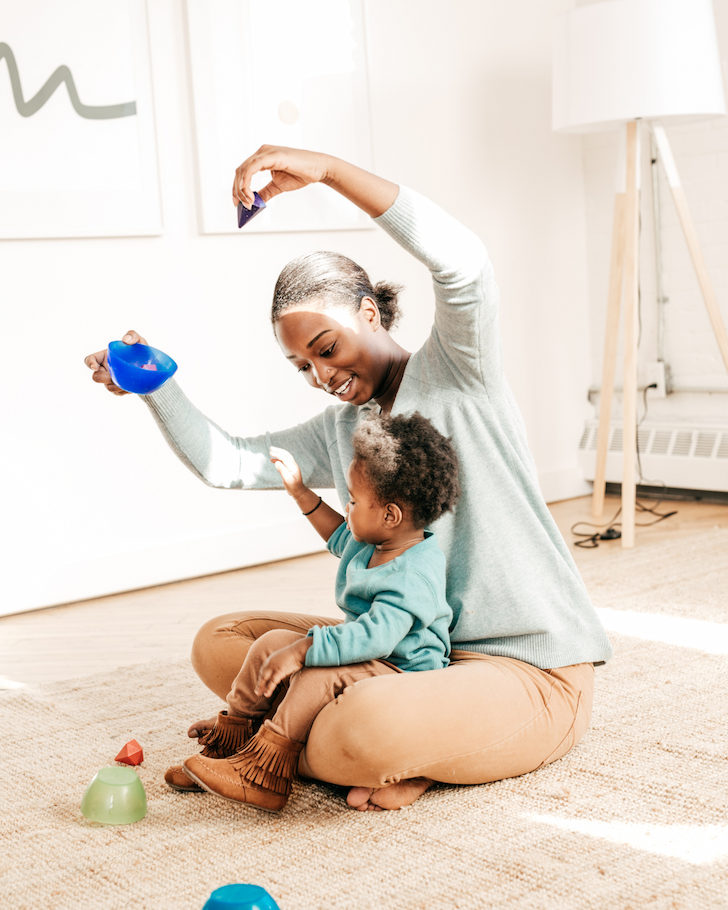
- Play is learning. Blocks, forts, and read-alouds are real education at this age.
- You can start today. A Bible, a library card, and time are enough to begin.
From the cradle to kindergarten
You don't teach a baby the way you teach a five-year-old. Here's what to focus on — nothing to purchase, just what to do.
Nurture & notice
- Read aloud a few minutes daily
- Sing hymns and Bible verses
- Talk through everyday moments
- Let dad share the early care
Goal: a warm, secure start.
Train & explore
- Teach coming when called
- Count, sort, and stack together
- Name feelings with words
- Keep a gentle daily rhythm
Goal: cheerful, first-time obedience.
Play & prepare
- Short "seatwork" — 5 to 15 min
- Lots of active, imaginative play
- Letters, colors, shapes, numbers
- Simple Bible stories and songs
Goal: a love of learning.
Steady & start
- Recites or sings the alphabet
- Counts to 20 out loud
- Follows one- and two-step directions
- Uses words to work through conflict
Goal: ready for most of the preschool skills.
Read aloud, every day
If you do one thing at this age, make it this. A few minutes a day, adjusted as they grow.
- Change your voice; make sounds they can repeat
- Use washable fabric books they can handle
- Read the same books over and over
- Read Bible verses and nursery rhymes
- Ask "what happens next?" to build sequence
- Let them choose the book sometimes
- Use board books they can turn themselves
- Name colors and shapes as you go
- Widen the genres — history, science, allegory
- Talk about the story and how they feel
- Point out new words and sound them out
- Read longer verses to repeat and memorize
Looking for what to read? Explore our read-aloud books →
The "Ready for Kindergarten" checklist
A simple way to see where your child is strong — and where a little more practice helps. The complete checklist comes with the free guide.