
The Early Years · A Generations Guide
Reading Aloud, Age by Age
Of all the counsel for the early years, one thread runs through every stage: read to your children, every day. It is where a love of the Word takes root, where Scripture and hymns settle into long-term memory, and where character is shaped long before formal lessons begin.
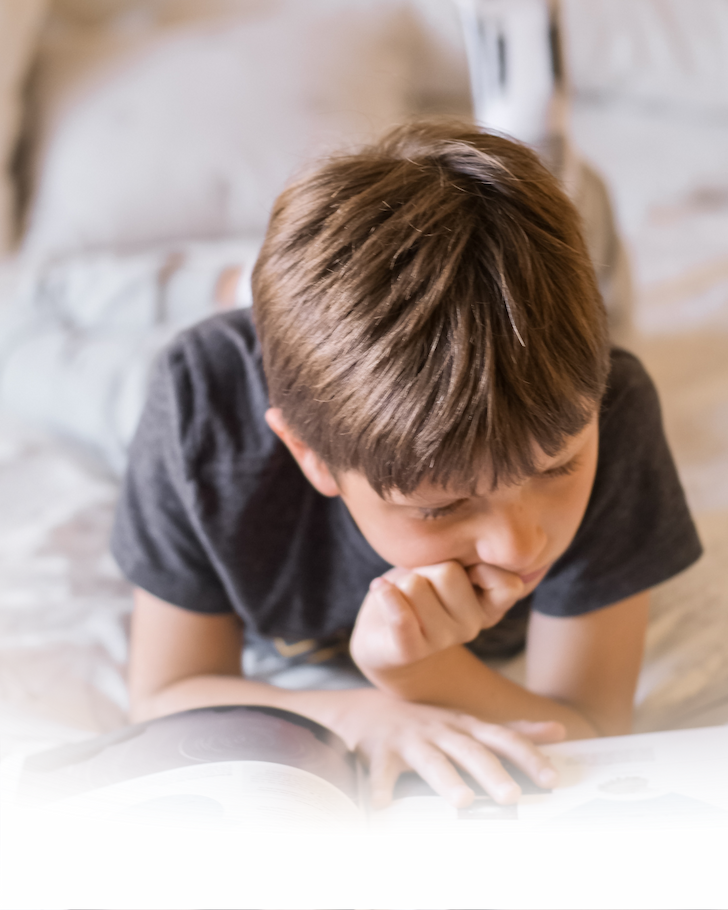
The habits that never change
These hold at every age. Keep them steady, and let each stage below add what's new.
- Read aloud every day, including from books above their “grade level.”
- Change your voice inflection and make sounds they can eventually repeat.
- Read Bible verses — and, as they grow, poetry — and help them memorize passages.
- Show them the books as you read, and let them hold the book.
- Occasionally let the child choose the book that you will read aloud.
Baby
Birth to walking · 5–10 minAt this stage reading is about sound, closeness, and repetition. Short and often beats long and rare.
- Point out items they can become familiar with (an animal, a house, etc.).
- Purchase washable fabric books that they can handle and even chew on.
- Read Bible verses and nursery rhymes they can repeat and remember.
- Read the same books over and over again.
Toddler
10–15 minToddlers begin to follow a story and turn its pages. Build sequence, word recognition, and care for books.
- Help them learn the sequence of the story; what happens next?
- Purchase board books they can handle and for which they can turn the pages.
- Read the same books multiple times to build word recognition and sequencing.
- Say the names of colors and shapes as you read, then have them repeat.
- Teach them to handle books carefully if they want to hold them.
Preschooler
15–20 minWiden the world. Preschoolers can discuss a story, wrestle with new words, and start reading a few back to you.
- Begin to read a wider range of genres — allegory, geography, history, science.
- Discuss what happens in the story and how they feel about it.
- Point out new words and help them properly pronounce them.
- Purchase picture books they can handle and turn the pages on their own.
- Read longer Bible verses and nursery rhymes they can repeat and memorize.
- Show them words and phrases they can learn to read after you say them.
Early Elementary
Kindergarten to 2nd grade · 20–60 minNow come chapter books, the classics of Christian literature, and the child's own first attempts at reading aloud.
- Introduce longer chapter books, reading one or more chapters each session.
- Begin to read classic Christian books such as Pilgrim's Progress, Heidi, or Robinson Crusoe.
- Have them begin to try and read words, phrases, or sentences aloud.
- Discuss what happens in the story and the biblical truths of right versus wrong.
- Begin pointing out literary techniques: similes, metaphors, vivid imagery, personification.
- Begin pointing out literary elements: plot, character, setting, theme.
- Teach them to use the library with your guidance to appropriate shelves.
Books worth reading aloud
Every stage above starts with the right book in hand. Our Read-Aloud collection gathers titles chosen for the early years — from fabric books for the littlest listeners to the classics your family will return to for years.
Browse Read-Aloud Books